
Why Grey Fire-Proof Glass Fabric is Essential for Safety in the Textile Industry
Mar 07,2025
Why Grey Fire-Proof Glass Fabric is Essential for Safety in the Textile Industry
Table of Contents
1. Introduction to Grey Fire-Proof Glass Fabric
2. Key Properties of Grey Fire-Proof Glass Fabric
3. Applications in the Textile Industry
4. The Manufacturing Process of Fire-Proof Glass Fabric
5. Safety Standards and Regulations
6. Benefits of Using Grey Fire-Proof Glass Fab
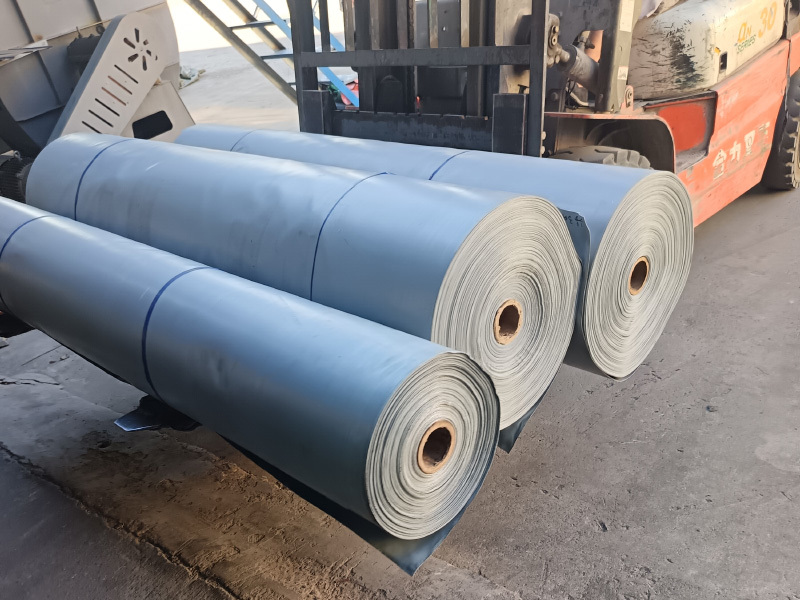
Why Grey Fire-Proof Glass Fabric is Essential for Safety in the Textile Industry
Table of Contents
- 1. Introduction to Grey Fire-Proof Glass Fabric
- 2. Key Properties of Grey Fire-Proof Glass Fabric
- 3. Applications in the Textile Industry
- 4. The Manufacturing Process of Fire-Proof Glass Fabric
- 5. Safety Standards and Regulations
- 6. Benefits of Using Grey Fire-Proof Glass Fabric
- 7. Challenges in Implementing Fire-Proof Fabrics
- 8. The Future of Fire Safety in the Textile Industry
- 9. Frequently Asked Questions
- 10. Conclusion
1. Introduction to Grey Fire-Proof Glass Fabric
In today's fast-paced textile industry, safety is paramount. Among the innovations designed to protect workers and products alike, **grey fire-proof glass fabric** stands out as a vital material. This fabric is engineered to withstand high temperatures, offering **enhanced fire resistance** compared to traditional textiles. Understanding its significance and properties is essential for manufacturers and safety professionals alike.
2. Key Properties of Grey Fire-Proof Glass Fabric
Grey fire-proof glass fabric boasts a range of unique properties that make it suitable for various applications within the textile industry:
2.1 Fire Resistance
This type of fabric is made from glass fibers that can endure extreme heat without melting or burning, providing a critical layer of safety in environments where fire hazards are prevalent.
2.2 Durability
Unlike organic fibers that degrade over time, grey fire-proof glass fabric retains its integrity, ensuring long-lasting performance in demanding conditions.
2.3 Lightweight Composition
Despite its robust characteristics, this fabric is surprisingly lightweight, making it easier to handle and incorporate into various textile products.
2.4 Versatility
Grey fire-proof glass fabric can be utilized in diverse applications, ranging from protective clothing to insulation materials, making it a multifunctional asset in the industry.
3. Applications in the Textile Industry
The versatility of grey fire-proof glass fabric enables its use in various sectors of the textile industry:
3.1 Protective Clothing
Workers in industries like manufacturing, electrical, and construction often face fire hazards. Protective clothing made from grey fire-proof glass fabric provides essential safety without sacrificing comfort.
3.2 Insulation Materials
The fabric's thermal resistance makes it an ideal choice for insulation materials in areas that require fire resistance, such as building construction and automotive applications.
3.3 Specialty Fabrics
Beyond clothing and insulation, grey fire-proof glass fabric is used in specialty fabrics, such as curtains and drop cloths, in environments where fire exposure is a risk.
4. The Manufacturing Process of Fire-Proof Glass Fabric
The production of grey fire-proof glass fabric involves several key processes:
4.1 Fiber Production
The first step involves spinning glass fibers that will later be woven into fabric. This process ensures that the fibers maintain their fire-resistant properties.
4.2 Weaving
Once produced, the fibers are woven together using advanced techniques to create a fabric that combines flexibility with strength.
4.3 Treatment and Coating
To enhance its fire-resistant properties, the fabric may undergo various treatments and coatings. These processes ensure that the final product meets safety standards.
5. Safety Standards and Regulations
In the textile industry, compliance with safety standards is crucial. Grey fire-proof glass fabric must meet rigorous regulations to ensure it provides adequate protection. Key standards include:
5.1 International Fire Safety Standards
Products must comply with international fire safety standards such as NFPA 701 and ISO 15025, which evaluate the fabric's flammability and performance under heat exposure.
5.2 Industry-Specific Regulations
Different sectors may have specific regulations governing the use of fire-proof materials. Compliance ensures that the fabric is suitable for its intended application.
6. Benefits of Using Grey Fire-Proof Glass Fabric
Incorporating grey fire-proof glass fabric into textile products offers multiple advantages:
6.1 Enhanced Worker Safety
By using fire-proof materials, companies can significantly reduce the risk of fire-related injuries, contributing to a safer workplace environment.
6.2 Cost-Effectiveness
Although the initial investment in fire-proof materials may be higher, the durability and long lifespan of grey fire-proof glass fabric can lead to long-term savings.
6.3 Improved Brand Reputation
Companies that prioritize safety and invest in high-quality materials can enhance their reputation, thereby attracting more clients and retaining skilled employees.
7. Challenges in Implementing Fire-Proof Fabrics
While the benefits are clear, implementing grey fire-proof glass fabric isn’t without challenges:
7.1 High Initial Costs
The cost of raw materials and production can be significant, potentially deterring smaller manufacturers from adopting these materials.
7.2 Limited Awareness
Many businesses may lack awareness of the advantages of grey fire-proof glass fabric, leading to underutilization in safety protocols.
7.3 Technical Expertise
The need for specialized knowledge in handling and incorporating fire-proof materials can pose a challenge for manufacturers.
8. The Future of Fire Safety in the Textile Industry
As safety regulations tighten and the demand for protective gear increases, the future of grey fire-proof glass fabric looks promising:
8.1 Innovation and Research
Ongoing research in material science will likely lead to new innovations in fire-proof textiles, improving performance and affordability.
8.2 Increased Regulations
As industries evolve, so will the regulations surrounding safety materials, potentially making fire-proof fabrics a standard requirement in many sectors.
8.3 Broader Market Adoption
As awareness of fire safety grows, we can expect wider adoption of grey fire-proof glass fabric in various applications, from protective clothing to automotive interiors.
9. Frequently Asked Questions
9.1 What is grey fire-proof glass fabric?
Grey fire-proof glass fabric is a specialized textile made from glass fibers that provides exceptional fire resistance and durability, making it ideal for safety applications in various industries.
9.2 How does grey fire-proof glass fabric compare to traditional fire-retardant fabrics?
Unlike traditional fire-retardant fabrics, which may degrade over time, grey fire-proof glass fabric offers superior heat resistance and longevity, ensuring ongoing protection.
9.3 Can grey fire-proof glass fabric be washed and reused?
Typically, grey fire-proof glass fabric can withstand washing, but specific handling instructions should be followed to maintain its fire resistance.
9.4 Is grey fire-proof glass fabric environmentally friendly?
Many manufacturers are working to implement sustainable practices in the production of grey fire-proof glass fabric, making it an increasingly eco-friendly option.
9.5 Where can I purchase grey fire-proof glass fabric?
Grey fire-proof glass fabric can be sourced from specialized textile suppliers or manufacturers that focus on safety materials for various industries.
10. Conclusion
The importance of **grey fire-proof glass fabric** in the textile industry cannot be overstated. As a material that combines fire resistance, durability, and versatility, it plays an essential role in safeguarding workers and assets from fire hazards. With ongoing innovations and increased awareness of safety protocols, grey fire-proof glass fabric is poised to become a standard in protective textiles, enhancing safety and efficiency in the industry. Embracing this material is not just a choice; it is a necessary step towards fostering a safer working environment in today’s textile landscape.
Hot Tags:
PREVIOUS:
Related Posts

Contact Us
E-mail:
tangchitarpaulin@gmail.com
WhatsApp:
Address:
500 meters west of the highway intersection in Xinxing Industrial Park, Yuanshi County, Hebei Province


Company Address:
500 meters west of the highway intersection in Xinxing Industrial Park, Yuanshi County, Hebei Province
Tel: 8619933094707
WhatsApp: 8619933094707
Email:info@tarpaulinfactory.cn
Email:sale@tarpaulinfactory.cn
Our Main Products
Business License