
Fire-Proof Glass Fabric: An In-Depth Exploration of Its Chemical Composition
Nov 06,2025
Fire-Proof Glass Fabric: An In-Depth Exploration of Its Chemical Composition
Table of Contents
Introduction to Fire-Proof Glass Fabric
What is Fire-Proof Glass Fabric?
Chemical Composition of Fire-Proof Glass Fabric
Understanding Silica Content
Exploring Alumina Properties
Other Chemical Constituents of Fire-Proof Glass Fabric
Fire-Proof Glass Fabric: An In-Depth Exploration of Its Chemical Composition
Table of Contents
- Introduction to Fire-Proof Glass Fabric
- What is Fire-Proof Glass Fabric?
- Chemical Composition of Fire-Proof Glass Fabric
- Understanding Silica Content
- Exploring Alumina Properties
- Other Chemical Constituents of Fire-Proof Glass Fabric
- The Manufacturing Process of Fire-Proof Glass Fabric
- Applications of Fire-Proof Glass Fabric
- Benefits of Using Fire-Proof Glass Fabric
- Future Trends in Fire-Proof Glass Fabric Technology
- Frequently Asked Questions (FAQs)
- Conclusion
Introduction to Fire-Proof Glass Fabric
Fire-proof glass fabric is a cutting-edge material that plays a critical role in various industries, particularly in safety and protection against fire hazards. Its composition is not only fascinating but also essential for understanding its effectiveness. This article delves into the **chemical composition** of fire-proof glass fabric, the manufacturing processes involved, and its myriad applications, shedding light on its significance in modern-day materials technology.
What is Fire-Proof Glass Fabric?
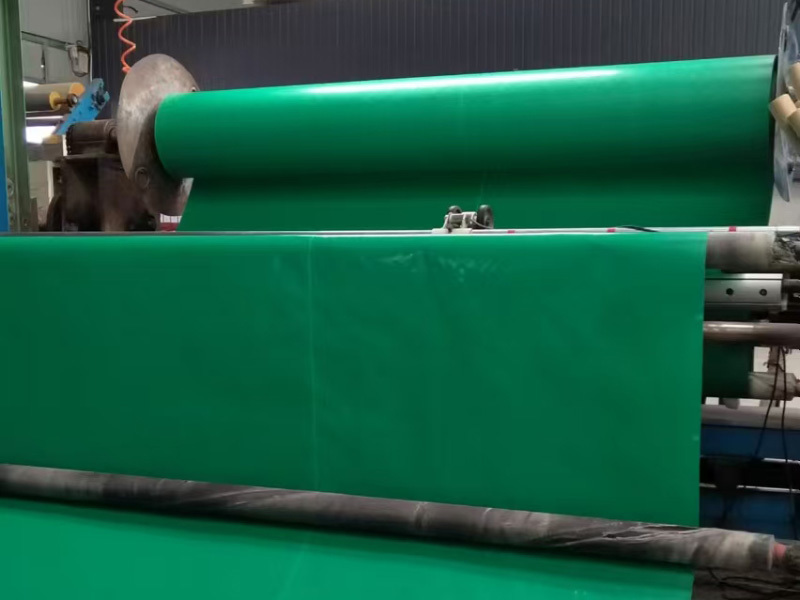
Fire-proof glass fabric is a specialized textile composed of glass fibers that are designed to withstand high temperatures and resist ignition. Its unique structure enables it to provide significant thermal insulation, making it ideal for use in applications where fire resistance is paramount. The fabric is often used in protective clothing, industrial applications, automotive parts, and construction materials.
Chemical Composition of Fire-Proof Glass Fabric
The effectiveness of fire-proof glass fabric lies in its chemical composition. Understanding the individual components is essential for discerning how they contribute to the fabric’s fire-resistant properties. The primary constituents include silica, alumina, and various other chemical agents that enhance its performance.
Understanding Silica Content
Silica (SiO2) is the dominant component of fire-proof glass fabric, typically comprising around 50-70% of the fabric's total weight. Silica fibers are known for their high melting point and exceptional thermal stability. When subjected to extreme temperatures, silica retains its form, thereby preventing structural failure. The robust nature of silica contributes significantly to the **fire resistance** of the fabric, making it a crucial ingredient in its composition.
Exploring Alumina Properties
Alumina (Al2O3) is another vital component found in fire-proof glass fabric. It usually constitutes about 10-20% of the overall composition. Alumina enhances the mechanical strength and thermal stability of the fabric, ensuring that it maintains its integrity even under severe conditions. The incorporation of alumina not only improves **fire resistance** but also increases the fabric's durability, making it suitable for a wide range of demanding applications.
Other Chemical Constituents of Fire-Proof Glass Fabric
In addition to silica and alumina, fire-proof glass fabric may contain various other chemical additives aimed at improving specific properties. These may include:
- **Zirconia (ZrO2)**: Enhances thermal stability and resistance to thermal shock.
- **Magnesia (MgO)**: Improves the mechanical properties and heat resistance.
- **Titania (TiO2)**: Often added to enhance UV resistance and improve the overall durability of the fabric.
These constituents work synergistically to create a material that excels in high-temperature environments, ensuring safety and performance in critical applications.
The Manufacturing Process of Fire-Proof Glass Fabric
The production of fire-proof glass fabric involves several intricate steps that ensure the final product meets stringent quality and safety standards. The process generally includes:
1. **Raw Material Preparation**: High-quality silica and alumina are sourced and prepared, ensuring purity and optimal composition.
2. **Fiber Formation**: The raw materials are melted at high temperatures and extruded into fine fibers. This step is critical as it determines the fiber diameter, which influences the fabric's mechanical properties.
3. **Weaving**: The glass fibers are then woven into fabric using advanced techniques that ensure uniformity and strength. Various weave patterns can be employed, such as plain weave or twill, depending on the desired application.
4. **Finishing**: Post-weaving, the fabric undergoes finishing processes that may include coating with fire-retardant chemicals or treatments to enhance its durability and performance.
5. **Quality Control**: Rigorous testing is conducted to assess the fire resistance, tensile strength, and overall quality of the fabric before it is deemed suitable for use.
Applications of Fire-Proof Glass Fabric
Fire-proof glass fabric is utilized in a diverse range of industries owing to its remarkable properties. Some notable applications include:
- **Protective Clothing**: Used in firefighter gear, industrial uniforms, and personal protective equipment (PPE) for high-risk occupations.
- **Insulation Materials**: Employed in thermal insulation for industrial processes, aerospace applications, and construction.
- **Automotive Parts**: Incorporated in heat shields and components requiring fire resistance.
- **Aerospace Engineering**: Utilized in insulation blankets and fire barriers in aircraft.
- **Construction**: Applied in fire-resistant curtains, elevator shafts, and partition walls to enhance safety in buildings.
The versatility of fire-proof glass fabric makes it indispensable across various sectors, where safety and performance are paramount.
Benefits of Using Fire-Proof Glass Fabric
The advantages of fire-proof glass fabric extend beyond just fire resistance. Some key benefits include:
- **High Durability**: The robust chemical composition ensures that the fabric can withstand harsh environmental conditions without degrading.
- **Lightweight**: Despite its strength, fire-proof glass fabric is lightweight, making it easy to handle and incorporate into various applications.
- **Versatile Performance**: It offers excellent thermal insulation properties, which can help in energy cost savings and improving overall efficiency.
- **Safety**: By preventing the spread of fire, it plays a crucial role in protecting lives and property, adhering to safety regulations and standards.
- **Eco-Friendly**: Many manufacturers are adopting environmentally friendly practices in the production of fire-proof glass fabric, making it a sustainable choice.
By leveraging these benefits, industries can enhance their safety protocols and improve the performance of their products.
Future Trends in Fire-Proof Glass Fabric Technology
As technology continues to evolve, the fire-proof glass fabric industry is poised for significant advancements. Some emerging trends include:
- **Smart Fabrics**: Integrating sensors within the fabric to monitor temperature changes and alert users to potential fire hazards.
- **Nanotechnology**: Utilizing nanomaterials to enhance fire resistance and reduce weight while maintaining strength.
- **Sustainable Practices**: Increasing focus on eco-friendly manufacturing processes and materials to appeal to environmentally conscious consumers.
- **Customization**: Developing tailored solutions for specific industries, ensuring that fire-proof glass fabric meets diverse performance requirements.
These trends indicate a bright future for fire-proof glass fabric, as it adapts to meet the changing demands of various industries.
Frequently Asked Questions (FAQs)
1. What is the main component of fire-proof glass fabric?
The main component is silica, which provides high melting points and exceptional thermal stability.
2. How does fire-proof glass fabric differ from regular glass fabric?
Fire-proof glass fabric is specifically engineered to withstand high temperatures without igniting, while regular glass fabric may not have the same fire-resistant properties.
3. Can fire-proof glass fabric be washed?
Yes, it can be washed, but care should be taken to follow the manufacturer's recommendations to maintain its properties.
4. What industries commonly use fire-proof glass fabric?
It is widely used in industries such as firefighting, construction, automotive, aerospace, and manufacturing.
5. Is fire-proof glass fabric environmentally friendly?
Many manufacturers are adopting sustainable practices in producing fire-proof glass fabric, making it a more environmentally friendly option.
Conclusion
Fire-proof glass fabric stands out as a vital material in today's safety-conscious world. Its unique chemical composition, characterized by silica and alumina, allows it to offer remarkable fire resistance and durability. As industries continue to prioritize safety, the demand for fire-proof glass fabric is expected to rise, pushing manufacturers to innovate and improve their products. By understanding the intricacies of this material, we can appreciate its role in safeguarding lives and property, making fire-proof glass fabric an indispensable asset in various applications.
Hot Tags:
Related Posts

Contact Us
E-mail:
tangchitarpaulin@gmail.com
WhatsApp:
Address:
500 meters west of the highway intersection in Xinxing Industrial Park, Yuanshi County, Hebei Province


Company Address:
500 meters west of the highway intersection in Xinxing Industrial Park, Yuanshi County, Hebei Province
Tel: 8619933094707
WhatsApp: 8619933094707
Email:info@tarpaulinfactory.cn
Email:sale@tarpaulinfactory.cn
Our Main Products
Business License