
The Future of Textiles: Innovations in Grey Fire-Proof Glass Fabric
Dec 18,2025
The Future of Textiles: Innovations in Grey Fire-Proof Glass Fabric
Table of Contents
1. Introduction to Grey Fire-Proof Glass Fabric
2. Understanding the Composition of Glass Fabrics
3. Key Properties of Fire-Proof Glass Fabrics
4. Applications of Grey Fire-Proof Glass Fabric
4.1 Construction Industry
4.2 Automotive Sector
4.3 Aerospace Applications
5. Innovations in Grey Fire-Proof Glass Fabric
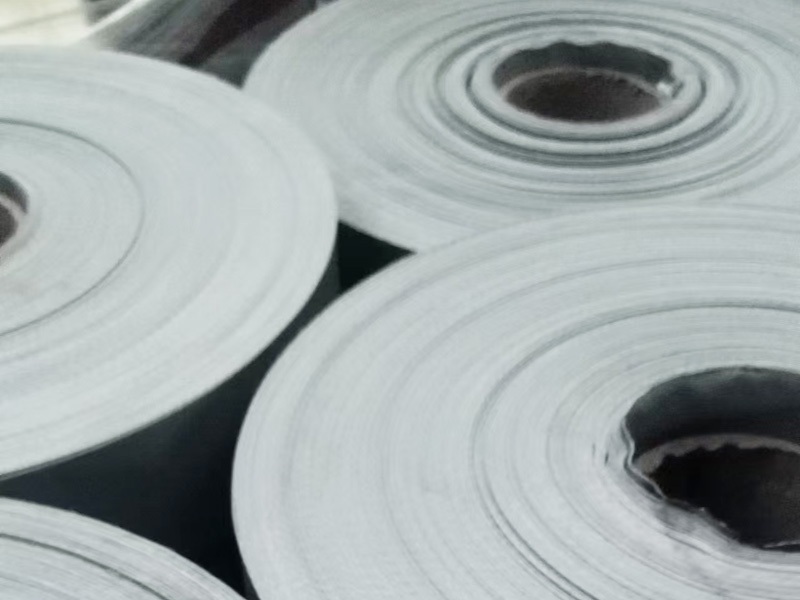
The Future of Textiles: Innovations in Grey Fire-Proof Glass Fabric
Table of Contents
1. Introduction to Grey Fire-Proof Glass Fabric
2. Understanding the Composition of Glass Fabrics
3. Key Properties of Fire-Proof Glass Fabrics
4. Applications of Grey Fire-Proof Glass Fabric
4.1 Construction Industry
4.2 Automotive Sector
4.3 Aerospace Applications
5. Innovations in Grey Fire-Proof Glass Fabric Technology
6. Challenges and Opportunities in the Textile Industry
7. Future Trends in Fire-Proof Glass Fabrics
8. Frequently Asked Questions (FAQs)
9. Conclusion
1. Introduction to Grey Fire-Proof Glass Fabric
The realm of textiles is undergoing a transformative shift, with **grey fire-proof glass fabric** emerging as a leading innovation. This specialized material combines the aesthetic qualities of traditional fabrics with exceptional fire-resistant characteristics. As industries increasingly prioritize safety and durability, understanding this material’s significance becomes essential.
2. Understanding the Composition of Glass Fabrics
Grey fire-proof glass fabrics are crafted from a blend of **fiberglass** and various chemical treatments that enhance their fire-resistance properties. The **fiberglass** component provides structural integrity while maintaining a lightweight profile. This unique composition enables these fabrics to withstand extreme temperatures without compromising functionality.
3. Key Properties of Fire-Proof Glass Fabrics
One of the standout features of grey fire-proof glass fabric is its **thermal stability**. The fabric can maintain its form and functionality even in high-heat environments, making it a valuable resource in various applications. Other critical properties include:
- **Chemical Resistance**: Unlike other textiles, grey fire-proof glass fabric resists degradation from chemicals, making it suitable for various industrial applications.
- **Low Thermal Conductivity**: This property ensures minimal heat transfer, enhancing safety in environments where fire hazards are present.
- **Durability and Longevity**: These fabrics are designed to withstand wear and tear, providing a long-lasting solution for demanding applications.
4. Applications of Grey Fire-Proof Glass Fabric
Grey fire-proof glass fabrics have found their niche in various industries due to their unique properties.
4.1 Construction Industry
In the construction sector, these fabrics are utilized in fire-retardant barriers, insulation materials, and protective clothing for workers. Their ability to withstand extreme temperatures is invaluable in safeguarding lives and structures during fire incidents.
4.2 Automotive Sector
The automotive industry employs grey fire-proof glass fabric in the manufacturing of fire-resistant interiors, wiring harnesses, and insulation materials. As vehicles become more sophisticated, the demand for materials that enhance safety without compromising design grows.
4.3 Aerospace Applications
In aerospace, grey fire-proof glass fabric plays a crucial role in creating lightweight, fire-resistant materials for aircraft interiors. The safety of passengers and crew is paramount, and these fabrics help meet stringent safety regulations.
5. Innovations in Grey Fire-Proof Glass Fabric Technology
Recent advancements in technology have significantly improved the performance and versatility of grey fire-proof glass fabrics. Innovations such as **nano-coating** and enhanced weaving techniques have resulted in fabrics that not only resist flames but also repel water and stains. These developments have expanded the potential applications of these materials across various sectors.
Moreover, research into **biocompatible** fire-proof fabrics has opened avenues for their use in medical applications, where both fire resistance and safety are critical.
6. Challenges and Opportunities in the Textile Industry
While the prospects for grey fire-proof glass fabrics are promising, the textile industry faces challenges such as maintaining cost-effectiveness while innovating. Balancing quality with affordability is essential for broader adoption. Additionally, environmental concerns about the sustainability of materials used in manufacturing pose another challenge for the industry.
However, these challenges also present opportunities for manufacturers to invest in more sustainable practices and materials. Adopting eco-friendly production methods can enhance brand reputation while meeting consumer demands for responsible manufacturing.
7. Future Trends in Fire-Proof Glass Fabrics
As we look ahead, several trends are likely to shape the future of grey fire-proof glass fabrics:
- **Increased Automation**: The integration of automation in manufacturing processes will lead to greater efficiency and lower production costs.
- **Smart Textiles**: Developments in **smart textiles** that incorporate sensors capable of detecting heat and fire could revolutionize safety standards in various industries.
- **Customizable Solutions**: As industries seek specialized solutions, manufacturers will increasingly offer customizable grey fire-proof glass fabrics tailored to specific applications.
8. Frequently Asked Questions (FAQs)
**Q1: What is grey fire-proof glass fabric made of?**
A1: Grey fire-proof glass fabric is primarily composed of fiberglass and various chemical treatments that enhance its fire-resistant properties.
**Q2: Where is grey fire-proof glass fabric commonly used?**
A2: It is commonly used in the construction, automotive, and aerospace industries for its fire-resistant and durable characteristics.
**Q3: How does grey fire-proof glass fabric compare to other fire-resistant materials?**
A3: Grey fire-proof glass fabric is lightweight, durable, and highly resistant to heat and chemicals, making it superior in many applications compared to traditional fire-resistant materials.
**Q4: Are there any environmental concerns related to grey fire-proof glass fabric?**
A4: While the production of grey fire-proof glass fabric can raise environmental concerns, many manufacturers are exploring sustainable practices to mitigate these issues.
**Q5: What innovations can we expect in the future of grey fire-proof glass fabric?**
A5: Future innovations may include the integration of smart technology, enhanced customization options, and sustainable manufacturing practices.
9. Conclusion
The future of textiles is being reshaped by innovations in grey fire-proof glass fabric. With its unique properties and diverse applications, this material is poised to enhance safety and performance across various industries. As we continue to explore new technologies and address challenges within the textile sector, grey fire-proof glass fabric stands out as a leading solution in creating safer environments for all. Embracing these innovations will not only meet industry demands but also ensure a sustainable and secure future in textiles.
Hot Tags:
Related Posts

Contact Us
E-mail:
tangchitarpaulin@gmail.com
WhatsApp:
Address:
500 meters west of the highway intersection in Xinxing Industrial Park, Yuanshi County, Hebei Province


Company Address:
500 meters west of the highway intersection in Xinxing Industrial Park, Yuanshi County, Hebei Province
Tel: 8619933094707
WhatsApp: 8619933094707
Email:info@tarpaulinfactory.cn
Email:sale@tarpaulinfactory.cn
Our Main Products
Business License