
The Environmental Impact of Using Three Proof Fabric: A Comprehensive Analysis
Jan 29,2026
The Environmental Impact of Using Three Proof Fabric
Table of Contents
1. Introduction to Three Proof Fabric
2. Understanding the Composition of Three Proof Fabric
3. The Production Process: Environmental Considerations
3.1 Resource Consumption in Manufacturing
3.2 Chemical Treatments and Their Effects
4. The Lifecycle of Three Proof Fabric
4.1 Durability and Longevity
4.2 End-of
The Environmental Impact of Using Three Proof Fabric
Table of Contents
1. Introduction to Three Proof Fabric
2. Understanding the Composition of Three Proof Fabric
3. The Production Process: Environmental Considerations
3.1 Resource Consumption in Manufacturing
3.2 Chemical Treatments and Their Effects
4. The Lifecycle of Three Proof Fabric
4.1 Durability and Longevity
4.2 End-of-Life Disposal Options
5. The Ecological Footprint of Three Proof Fabric
5.1 Water Usage and Pollution
5.2 Carbon Emissions During Production
6. Sustainable Alternatives to Three Proof Fabric
7. The Role of Consumers in Promoting Sustainable Practices
8. Frequently Asked Questions (FAQs)
9. Conclusion
1. Introduction to Three Proof Fabric
Three proof fabric has become a popular choice in the textile industry, celebrated for its unique properties that resist water, wind, and stains. These qualities make it ideal for various applications, ranging from outdoor gear to everyday clothing. However, as we embrace this functional fabric, it is imperative to scrutinize its environmental impact, from production to disposal.
2. Understanding the Composition of Three Proof Fabric
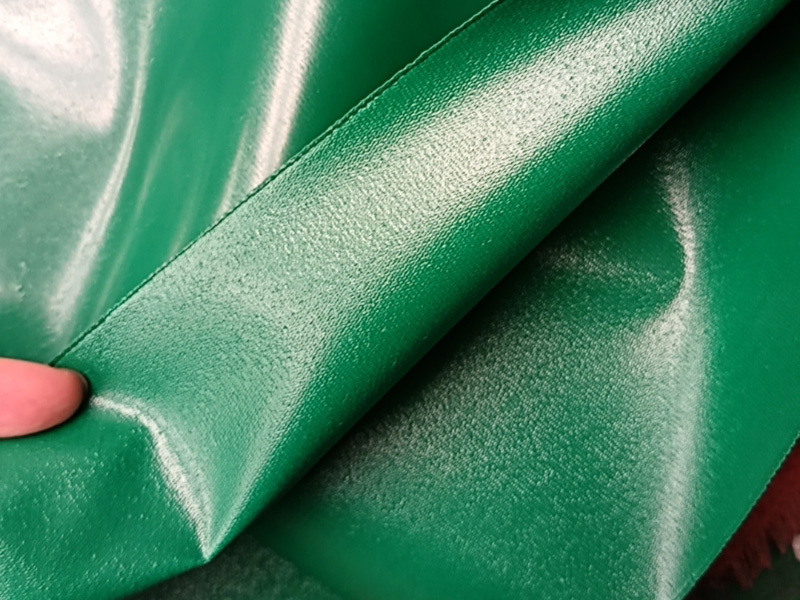
Typically made from synthetic fibers such as polyester or nylon, three proof fabric undergoes extensive processing to achieve its protective characteristics. The fabric is often treated with chemical coatings that enhance its water-repellent properties and durability. Understanding the components and treatments used in three proof fabric is crucial for evaluating its environmental footprint and making informed choices.
3. The Production Process: Environmental Considerations
The journey of three proof fabric begins with the extraction of raw materials, which significantly influences its overall environmental impact.
3.1 Resource Consumption in Manufacturing
The production of synthetic fibers requires substantial amounts of petroleum, contributing to resource depletion and environmental degradation. The energy-intensive processes involved in manufacturing fibers and applying protective coatings further elevate the carbon emissions associated with three proof fabric.
3.2 Chemical Treatments and Their Effects
Chemical treatments are essential in rendering three proof fabric resistant to the elements. However, these chemicals can pose risks to both human health and the environment. Many of the substances used in treatment processes may leach into water systems, leading to pollution and harming aquatic life. Awareness of these chemical impacts is vital for consumers and manufacturers alike.
4. The Lifecycle of Three Proof Fabric
To thoroughly assess the environmental impact of three proof fabric, we must examine its entire lifecycle, from production to disposal.
4.1 Durability and Longevity
One of the benefits of three proof fabric is its durability. The enhanced lifespan of these textiles means that they do not need to be replaced as frequently as less resilient alternatives. This longevity may reduce the frequency of production cycles, thereby lessening overall environmental impact over time.
4.2 End-of-Life Disposal Options
Despite its durability, the disposal of three proof fabric can pose significant environmental challenges. Many synthetic fibers are not biodegradable and can persist in landfills for decades. As such, recycling and upcycling options are becoming increasingly important in mitigating the ecological footprint of these materials.
5. The Ecological Footprint of Three Proof Fabric
Understanding the ecological footprint of three proof fabric requires a closer look at its water consumption and carbon emissions.
5.1 Water Usage and Pollution
The textile industry is notorious for its high water usage, and three proof fabric is no exception. Significant amounts of water are consumed during the dyeing and finishing processes. Moreover, the runoff from these processes often contains harmful chemicals that can contaminate local water sources, posing risks to ecosystems and communities.
5.2 Carbon Emissions During Production
The carbon footprint associated with the production of three proof fabric is considerable. From the extraction of raw materials to the manufacturing processes, high energy consumption contributes to greenhouse gas emissions. Transitioning to renewable energy sources in production facilities could substantially reduce this impact.
6. Sustainable Alternatives to Three Proof Fabric
As consumers become more environmentally conscious, the demand for sustainable alternatives is on the rise. Fabrics made from organic materials or recycled fibers offer promising options. Innovations in biodegradable coatings and treatments are also being explored to reduce the environmental footprint of protective textiles.
7. The Role of Consumers in Promoting Sustainable Practices
Consumers play a crucial role in driving the textile industry towards more sustainable practices. By choosing products made from environmentally friendly materials and supporting brands that prioritize sustainability, consumers can influence market trends. Increased awareness and education about the impacts of textile choices will empower individuals to make informed decisions.
8. Frequently Asked Questions (FAQs)
What is three proof fabric?
Three proof fabric refers to textiles that are treated to be resistant to water, wind, and stains, making them suitable for various applications, especially outdoor gear.
Is three proof fabric environmentally friendly?
While three proof fabric offers enhanced durability and functionality, its production involves resource-intensive processes and chemical treatments that can negatively impact the environment.
How can I recycle three proof fabric?
Recycling options for three proof fabric may vary based on local facilities. Some textile recycling programs accept synthetic fabrics, while others may not. It is best to check with local recycling centers for specific guidelines.
Are there sustainable alternatives to three proof fabric?
Yes, sustainable alternatives include fabrics made from organic fibers, recycled materials, or innovative biodegradable coatings that minimize environmental impact.
How does three proof fabric contribute to carbon emissions?
The production of three proof fabric is energy-intensive, leading to significant carbon emissions. Efforts to use renewable energy sources in manufacturing could help mitigate this impact.
9. Conclusion
In conclusion, while three proof fabric offers significant benefits in terms of durability and functionality, it is essential to recognize and address its environmental impact. By understanding the production processes, lifecycle, and ecological footprint associated with this fabric, consumers and manufacturers can make more informed choices. Embracing sustainable alternatives and advocating for eco-friendly practices within the textile industry will contribute to a healthier planet for future generations. It is our collective responsibility to seek solutions that not only meet our needs but also preserve the environment we inhabit.
Hot Tags:
Related Posts

Contact Us
E-mail:
tangchitarpaulin@gmail.com
WhatsApp:
Address:
500 meters west of the highway intersection in Xinxing Industrial Park, Yuanshi County, Hebei Province


Company Address:
500 meters west of the highway intersection in Xinxing Industrial Park, Yuanshi County, Hebei Province
Tel: 8619933094707
WhatsApp: 8619933094707
Email:info@tarpaulinfactory.cn
Email:sale@tarpaulinfactory.cn
Our Main Products
Business License