
The Essential Guide to Fire-Proof Glass Fabric: Characteristics and Applications
Apr 02,2026
Fire-proof glass fabric is a unique material that has gained traction in various industries due to its exceptional properties and applications. Made from high-temperature resistant glass fibers, this fabric serves as a barrier against flames, heat, and even chemical exposure. Its design combines durability with flexibility, making it suitable for a wide range of applications from industrial to con
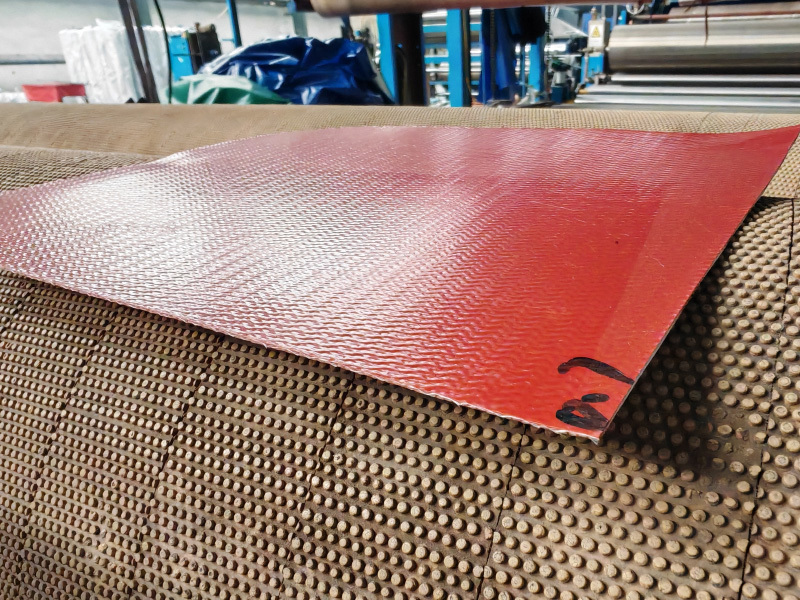
Fire-proof glass fabric is a unique material that has gained traction in various industries due to its exceptional properties and applications. Made from high-temperature resistant glass fibers, this fabric serves as a barrier against flames, heat, and even chemical exposure. Its design combines durability with flexibility, making it suitable for a wide range of applications from industrial to consumer products.
One of the primary characteristics of fire-proof glass fabric is its ability to withstand extreme temperatures. Traditional fabrics often succumb to flames or high heat, but fire-proof glass fabric can endure temperatures exceeding 1000 degrees Celsius (1832 degrees Fahrenheit) without igniting or melting. This makes it a critical component in industries where fire safety is paramount, such as aerospace, automotive, and construction.
Another significant attribute of fire-proof glass fabric is its lightweight nature. Despite its robust qualities, the fabric remains lightweight and easy to handle, allowing for efficient use in various applications. This lightweight property does not compromise its strength, enabling it to provide effective flame resistance without adding unnecessary bulk. Additionally, the fabric is resistant to UV rays and moisture, further extending its lifespan and usability.
In the construction industry, fire-proof glass fabric is often used as an integral part of fire barriers and insulation systems. Its application in fire curtains and fireproofing for structural components helps enhance building safety, providing an extra layer of protection during emergencies. Moreover, in the automotive sector, fire-proof glass fabric is utilized for heat shields and insulation, contributing to the overall safety of vehicles by minimizing the risk of fire hazards.
In addition to these applications, fire-proof glass fabric is also utilized in protective clothing for firefighters and industrial workers. The fabric’s ability to repel flames while remaining breathable makes it an ideal choice for garments designed for high-risk environments. This protective clothing not only enhances safety but also boosts confidence among workers who are exposed to hazardous conditions.
In summary, fire-proof glass fabric is a versatile and essential material in various industries, particularly in textiles and chemical fibers. Its remarkable resistance to heat and flames, combined with its lightweight and durable nature, makes it an invaluable resource for enhancing safety and performance. As industries continue to prioritize safety and innovation, the demand for fire-proof glass fabric is expected to grow, offering even more opportunities for its application in the future. Understanding this material's properties and uses can significantly benefit professionals looking to enhance safety measures in their respective fields.
One of the primary characteristics of fire-proof glass fabric is its ability to withstand extreme temperatures. Traditional fabrics often succumb to flames or high heat, but fire-proof glass fabric can endure temperatures exceeding 1000 degrees Celsius (1832 degrees Fahrenheit) without igniting or melting. This makes it a critical component in industries where fire safety is paramount, such as aerospace, automotive, and construction.
Another significant attribute of fire-proof glass fabric is its lightweight nature. Despite its robust qualities, the fabric remains lightweight and easy to handle, allowing for efficient use in various applications. This lightweight property does not compromise its strength, enabling it to provide effective flame resistance without adding unnecessary bulk. Additionally, the fabric is resistant to UV rays and moisture, further extending its lifespan and usability.
In the construction industry, fire-proof glass fabric is often used as an integral part of fire barriers and insulation systems. Its application in fire curtains and fireproofing for structural components helps enhance building safety, providing an extra layer of protection during emergencies. Moreover, in the automotive sector, fire-proof glass fabric is utilized for heat shields and insulation, contributing to the overall safety of vehicles by minimizing the risk of fire hazards.
In addition to these applications, fire-proof glass fabric is also utilized in protective clothing for firefighters and industrial workers. The fabric’s ability to repel flames while remaining breathable makes it an ideal choice for garments designed for high-risk environments. This protective clothing not only enhances safety but also boosts confidence among workers who are exposed to hazardous conditions.
In summary, fire-proof glass fabric is a versatile and essential material in various industries, particularly in textiles and chemical fibers. Its remarkable resistance to heat and flames, combined with its lightweight and durable nature, makes it an invaluable resource for enhancing safety and performance. As industries continue to prioritize safety and innovation, the demand for fire-proof glass fabric is expected to grow, offering even more opportunities for its application in the future. Understanding this material's properties and uses can significantly benefit professionals looking to enhance safety measures in their respective fields.
Hot Tags:
PREVIOUS:
Related Posts

Contact Us
E-mail:
tangchitarpaulin@gmail.com
WhatsApp:
Address:
500 meters west of the highway intersection in Xinxing Industrial Park, Yuanshi County, Hebei Province


Company Address:
500 meters west of the highway intersection in Xinxing Industrial Park, Yuanshi County, Hebei Province
Tel: 8619933094707
WhatsApp: 8619933094707
Email:info@tarpaulinfactory.cn
Email:sale@tarpaulinfactory.cn
Our Main Products
Business License