
Understanding the Manufacturing Process of 600g Gray Flame-Retardant Knife Scraper Cloth
Apr 23,2026
Understanding the Manufacturing Process of 600g Gray Flame-Retardant Knife Scraper Cloth
In the realm of textiles, **flame-retardant materials** play a crucial role in enhancing safety across a variety of industries. Among these, **600g gray flame-retardant knife scraper cloth** stands out due to its unique properties and applications. This article aims to provide a thorough understanding of the m
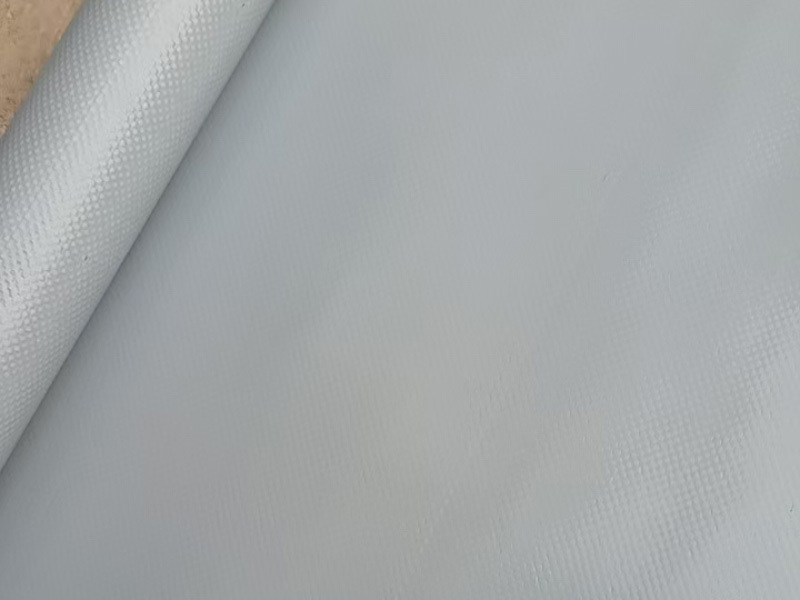
Understanding the Manufacturing Process of 600g Gray Flame-Retardant Knife Scraper Cloth
In the realm of textiles, **flame-retardant materials** play a crucial role in enhancing safety across a variety of industries. Among these, **600g gray flame-retardant knife scraper cloth** stands out due to its unique properties and applications. This article aims to provide a thorough understanding of the manufacturing process of this specialized fabric, ensuring that readers gain insights into its production, benefits, and uses.
Table of Contents
- Introduction to Flame-Retardant Materials
- What is Knife Scraper Cloth?
- Characteristics of 600g Gray Flame-Retardant Cloth
- Manufacturing Process Overview
- Raw Materials Used in Production
- Weaving Techniques for Knife Scraper Cloth
- Flame-Retardant Treatment Process
- Quality Control Measures
- Applications of Knife Scraper Cloth
- Conclusion
Introduction to Flame-Retardant Materials
Flame-retardant materials are designed to resist ignition and slow the spread of flames. These materials are essential in industries where fire hazards are a significant concern. The growing demand for **flame-retardant textiles** has led to advancements in manufacturing techniques and treatments, resulting in more efficient and effective products. Understanding the manufacturing process of these textiles, particularly the 600g gray flame-retardant knife scraper cloth, is vital for industry stakeholders.
What is Knife Scraper Cloth?
**Knife scraper cloth** is a specialized fabric typically used in industrial applications, such as in the production of protective clothing and equipment. Its primary function is to provide a durable, flame-retardant surface that can withstand harsh conditions. The 600g variant indicates a higher density, making it particularly robust and suitable for demanding environments.
Characteristics of 600g Gray Flame-Retardant Cloth
The 600g gray flame-retardant knife scraper cloth is characterized by several important features:
- **High Weight and Durability**: At 600 grams per square meter, this cloth offers substantial durability, making it ideal for rigorous use.
- **Flame Resistance**: Treated with specialized chemicals, this fabric can resist ignition and slow down flame spread.
- **Chemical Resistance**: The cloth is resistant to various chemicals, enhancing its utility in industrial settings.
- **Color and Aesthetics**: The gray color provides a neutral appearance that is often preferred in industrial environments.
Manufacturing Process Overview
The manufacturing process of the 600g gray flame-retardant knife scraper cloth involves several key stages:
1. **Material Selection**: Choosing high-quality fibers and additives that enhance flame resistance.
2. **Weaving**: The selected fibers are woven into a dense fabric.
3. **Flame-Retardant Treatment**: The woven fabric undergoes treatment with flame-retardant chemicals.
4. **Finishing Processes**: Additional treatments may be applied for water resistance and durability.
5. **Quality Control**: Rigorous testing to ensure compliance with safety standards.
Raw Materials Used in Production
The production of 600g gray flame-retardant knife scraper cloth relies on a range of raw materials, including:
- **Fibers**: Typically made from synthetic materials such as polyester or nylon. These fibers provide strength and durability.
- **Flame-Retardant Chemicals**: Various treatments can be applied, including phosphorous-based and nitrogen-based compounds, which enhance flame resistance.
- **Finishing Agents**: Chemicals that improve water repellency and fabric performance.
Weaving Techniques for Knife Scraper Cloth
The weaving process is critical in determining the final characteristics of the knife scraper cloth. Common techniques include:
- **Plain Weave**: A simple and strong weave that provides durability.
- **Twill Weave**: Offers greater flexibility and strength, suitable for specific applications requiring more stretch.
- **Satin Weave**: Primarily used for finishing touches to enhance aesthetic appeal, though less common for heavy-duty textiles.
Flame-Retardant Treatment Process
The flame-retardant treatment process involves several steps:
1. **Preparation**: The fabric is thoroughly cleaned to remove any contaminants.
2. **Application of Chemicals**: Flame-retardant solutions are applied through dipping, spraying, or other methods.
3. **Curing**: The treated fabric is subjected to heat to ensure that the chemicals bond properly.
4. **Testing**: After treatment, the fabric undergoes rigorous testing to verify its flame-retardant properties.
Quality Control Measures
Quality control is essential to ensure that the 600g gray flame-retardant knife scraper cloth meets required safety standards. Key measures include:
- **Visual Inspections**: Checking for defects in the fabric.
- **Flame Resistance Testing**: Ensuring compliance with industry standards for flame retardancy.
- **Durability Testing**: Assessing the fabric's resilience under various conditions.
Applications of Knife Scraper Cloth
The 600g gray flame-retardant knife scraper cloth has a wide range of applications, including:
- **Protective Apparel**: Used in manufacturing uniforms for workers in hazardous environments.
- **Industrial Equipment Covers**: Protecting machinery and equipment from flames and heat.
- **Fire Blankets**: Providing safety equipment in case of fire emergencies.
Conclusion
The manufacturing process of 600g gray flame-retardant knife scraper cloth involves a meticulous combination of high-quality materials, advanced weaving techniques, and rigorous testing protocols. This specialized fabric is essential in industries where safety is paramount, providing both protection and durability. As demands for safer working environments grow, understanding the intricacies of such manufacturing processes becomes increasingly important for industry professionals. Through continuous innovation and adherence to quality standards, the production of flame-retardant textiles will evolve to meet future challenges.
FAQs
1. What is the primary use of 600g gray flame-retardant knife scraper cloth?
The primary use is in protective clothing and industrial applications where flame resistance is critical.
2. How does flame-retardant treatment work?
Flame-retardant treatment involves applying chemicals that slow down ignition and flame spread on the fabric surface.
3. What types of fibers are used in this cloth?
Typically, synthetic fibers like polyester or nylon are used due to their strength and durability.
4. Are there environmental considerations with flame-retardant fabrics?
Yes, the environmental impact of chemicals used in treatment is being studied, and manufacturers are increasingly turning to eco-friendly options.
5. How is the quality of knife scraper cloth assessed?
Quality is assessed through visual inspections, flame resistance tests, and durability tests to ensure it meets safety standards.
Hot Tags:
Related Posts
Contact Us
E-mail:
tangchitarpaulin@gmail.com
WhatsApp:
Address:
500 meters west of the highway intersection in Xinxing Industrial Park, Yuanshi County, Hebei Province


Company Address:
500 meters west of the highway intersection in Xinxing Industrial Park, Yuanshi County, Hebei Province
Tel: 8619933094707
WhatsApp: 8619933094707
Email:info@tarpaulinfactory.cn
Email:sale@tarpaulinfactory.cn
Our Main Products
Business License