
Fire-Proof Glass Fabric: The Indispensable Element in Modern Safety Equipment
May 21,2026
Fire-Proof Glass Fabric: An Essential Component for Safety Equipment
Introduction to Fire-Proof Glass Fabric
Fire-proof glass fabric has emerged as a critical material in the realm of safety equipment. With escalating concerns regarding fire safety across various industries, the demand for reliable protective materials has never been higher. In this guide, we delve into the intricacies of fire-pro
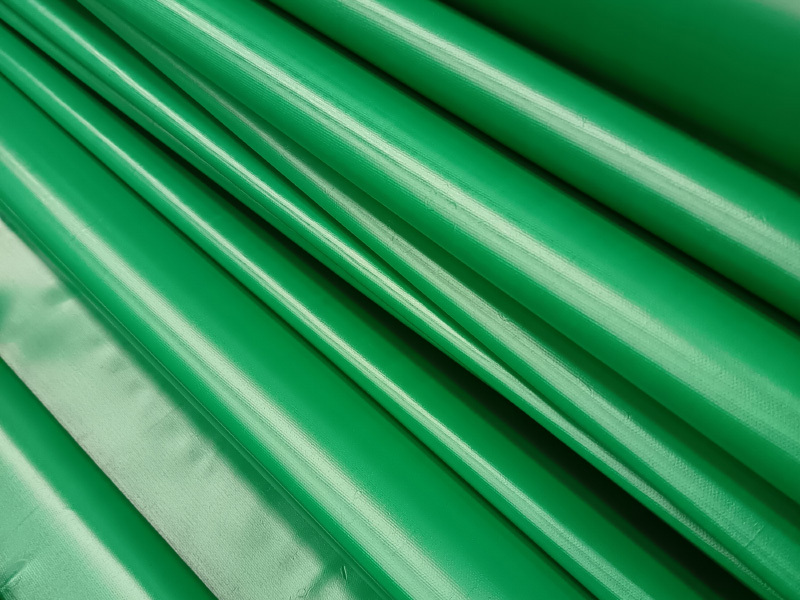
Fire-Proof Glass Fabric: An Essential Component for Safety Equipment
Introduction to Fire-Proof Glass Fabric
Fire-proof glass fabric has emerged as a critical material in the realm of safety equipment. With escalating concerns regarding fire safety across various industries, the demand for reliable protective materials has never been higher. In this guide, we delve into the intricacies of fire-proof glass fabric, examining its properties, applications, and the importance it holds in safeguarding lives and property.
The Composition of Fire-Proof Glass Fabric
Understanding the Materials Used
Fire-proof glass fabric is primarily composed of fiberglass that has been treated with specialized fire retardants. This unique blend allows the fabric to withstand high temperatures without compromising its structural integrity. The key components include:
- **Fiberglass:** A robust and lightweight material that provides strength and durability.
- **Fire Retardants:** Chemicals that inhibit ignition and slow down the spread of flames.
How Fire-Proof Glass Fabric is Manufactured
The manufacturing process involves weaving the fiberglass fibers into a fabric, which is then treated with fire retardant chemicals. This process enhances the fabric's fire-resistant properties. Various techniques, including loom weaving and coating, are employed to ensure uniformity and effectiveness.
Key Properties of Fire-Proof Glass Fabric
High Temperature Resistance
One of the most significant advantages of fire-proof glass fabric is its ability to withstand extreme temperatures. Typically, this fabric can resist temperatures up to 1000°C (1832°F), making it suitable for a wide range of applications where heat exposure is a concern.
Lightweight and Flexible
Despite its robust nature, fire-proof glass fabric remains lightweight and flexible. This characteristic allows for easy handling and application in various safety equipment without adding unnecessary bulk.
Durability and Longevity
Fire-proof glass fabric is known for its long-lasting performance. Its resistance to wear, tear, and environmental factors ensures that safety equipment made from this material maintains its effectiveness over time.
Applications of Fire-Proof Glass Fabric in Safety Equipment
Protective Clothing
In industries such as firefighting and manufacturing, protective clothing made from fire-proof glass fabric is essential. These garments provide firefighters with the necessary protection against heat and flames, allowing them to perform their duties safely.
Fire Blankets
Fire-proof glass fabric is commonly used in fire blankets designed to extinguish small fires. These blankets can be easily deployed, providing an immediate response to potential hazards.
Insulation Materials
In construction and industrial settings, fire-proof glass fabric serves as an effective insulation material. It helps to protect structures from fire damage while ensuring energy efficiency.
Fire Curtains and Barriers
Fire-proof glass fabric is also utilized in fire curtains and barriers, which are critical in preventing the spread of flames and smoke in commercial buildings. These barriers can compartmentalize spaces, enhancing safety during emergencies.
The Advantages of Using Fire-Proof Glass Fabric
Enhanced Safety
The primary benefit of fire-proof glass fabric lies in its ability to enhance safety. By using this material in safety equipment, organizations can significantly reduce the risk of fire-related injuries and fatalities.
Compliance with Safety Standards
Many industries are subject to stringent safety regulations. Fire-proof glass fabric helps companies comply with these standards, thus avoiding legal issues and potential penalties.
Cost-Effectiveness
While the initial investment in fire-proof glass fabric may be higher than traditional materials, its durability and longevity make it a cost-effective choice in the long run. Fewer replacements and repairs lead to lower overall expenses.
Versatile Applications
The versatility of fire-proof glass fabric allows it to be used across various industries, from construction to aerospace. Its adaptability means that it can meet the specific needs of different safety applications.
Choosing the Right Fire-Proof Glass Fabric for Your Needs
Assessing Your Requirements
When selecting fire-proof glass fabric, it’s crucial to assess your specific needs. Consider factors such as temperature resistance, flexibility, and intended application. This assessment will guide you in choosing the most suitable product.
Quality and Certification
Ensure that the fire-proof glass fabric you choose meets industry standards and certifications. High-quality materials will provide the best protection and reliability in critical situations.
Supplier Reputation
Selecting a reputable supplier is essential. Research potential vendors to identify those with a proven track record in providing high-quality fire-proof glass fabric.
Maintenance and Care for Fire-Proof Glass Fabric
Cleaning Procedures
Maintaining fire-proof glass fabric involves proper cleaning techniques. Use mild detergents and avoid harsh chemicals that could compromise the fabric's integrity. Regular cleaning ensures optimal performance and longevity.
Storage Guidelines
Proper storage of fire-proof glass fabric is crucial for maintaining its properties. Store in a dry, cool place away from direct sunlight and extreme temperatures.
Future Trends in Fire-Proof Glass Fabric Technology
Innovations in Material Science
As technology advances, innovations in the field of material science are expected to lead to enhanced fire-proof glass fabrics. These advancements may include improved fire resistance and lighter-weight options.
Integration with Smart Technologies
The future may also see the integration of smart technologies into fire-proof glass fabric. This could involve embedded sensors that monitor temperature and alert users to potential hazards.
Frequently Asked Questions (FAQs)
1. What is fire-proof glass fabric made of?
Fire-proof glass fabric is primarily composed of treated fiberglass and fire retardants, allowing it to resist high temperatures.
2. How does fire-proof glass fabric protect against fire?
This fabric inhibits ignition and slows down the spread of flames, making it an effective barrier against fire hazards.
3. Can fire-proof glass fabric be washed?
Yes, fire-proof glass fabric can be cleaned using mild detergents. However, harsh chemicals should be avoided to maintain its properties.
4. What industries commonly use fire-proof glass fabric?
Industries such as construction, manufacturing, and firefighting utilize fire-proof glass fabric in various applications, including protective clothing and insulation materials.
5. How long does fire-proof glass fabric last?
The longevity of fire-proof glass fabric depends on usage and maintenance, but it is designed for durability and can last for many years with proper care.
Conclusion
Fire-proof glass fabric is undeniably an essential component in the realm of safety equipment. Its impressive properties, versatile applications, and significant advantages make it a critical material for protecting lives and property. By understanding its composition, benefits, and maintenance requirements, industries can make informed decisions to enhance their safety protocols. As technology continues to evolve, fire-proof glass fabric will likely become even more effective, ensuring that safety remains a top priority in all sectors.
Hot Tags:
Related Posts

Contact Us
E-mail:
tangchitarpaulin@gmail.com
WhatsApp:
Address:
500 meters west of the highway intersection in Xinxing Industrial Park, Yuanshi County, Hebei Province


Company Address:
500 meters west of the highway intersection in Xinxing Industrial Park, Yuanshi County, Hebei Province
Tel: 8619933094707
WhatsApp: 8619933094707
Email:info@tarpaulinfactory.cn
Email:sale@tarpaulinfactory.cn
Our Main Products
Business License