
Understanding Three Proof Fabric: The Future of Protective Textiles
Mar 20,2025
Three proof fabric is an innovative textile that combines several essential protective properties, making it a valuable material across various industries, particularly in the field of chemical fibers. The term "three proof" typically refers to its resistance to water, oil, and dirt, which makes it ideal for applications requiring durability and longevity. This fabric is engineered through advance
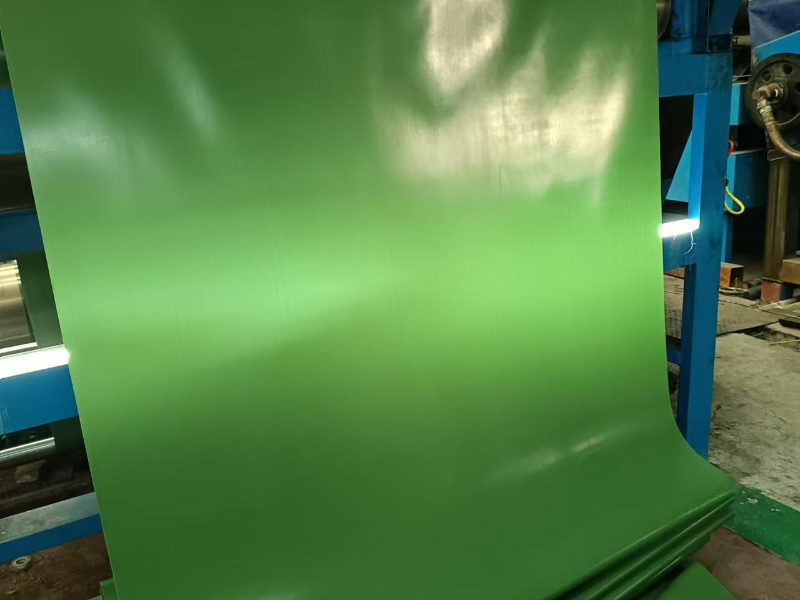
Three proof fabric is an innovative textile that combines several essential protective properties, making it a valuable material across various industries, particularly in the field of chemical fibers. The term "three proof" typically refers to its resistance to water, oil, and dirt, which makes it ideal for applications requiring durability and longevity. This fabric is engineered through advanced processes that integrate multiple layers of protection into a single textile, ensuring that it meets the rigorous demands of professional environments.
One of the most significant advantages of three proof fabric is its water resistance. This property allows the material to repel moisture, preventing it from soaking through and damaging the underlying layers. This quality is particularly crucial for outdoor apparel, protective gear, and industrial uniforms, where exposure to wet conditions is common. By utilizing water-repellent treatments and waterproof membranes, manufacturers can create textiles that keep the wearer dry and comfortable.
In addition to water resistance, three proof fabric also boasts excellent oil resistance. This characteristic is vital for professionals working in environments where exposure to oils or chemicals is frequent, such as in the automotive or manufacturing industries. The oil-repellent treatment applied to the fabric ensures that stains are minimized and that cleaning is simplified, thereby prolonging the life of the garment or product made from this material.
Dirt resistance is another key feature of three proof fabric, making it an ideal choice for workwear that is subjected to heavy soiling. The fabric’s unique surface finish prevents dirt and grime from adhering, allowing for easy maintenance and cleaning. This not only enhances the fabric’s aesthetic appeal but also contributes to its functionality, ensuring that it remains looking professional over time.
Moreover, three proof fabric is often designed to maintain breathability despite its protective qualities. This is achieved through the use of advanced fiber technologies that allow moisture vapor to escape while preventing liquid water from penetrating. Consequently, users can enjoy comfort and ease of movement, which is crucial for many professionals who require both protection and flexibility in their work garments.
In conclusion, three proof fabric represents a significant advancement in textile technology, offering a combination of water, oil, and dirt resistance that meets the needs of various industries. As the demand for durable and protective materials grows, understanding the benefits and applications of three proof fabric will be essential for professionals seeking reliable solutions in their respective fields. Embracing this innovative fabric can lead to enhanced performance, improved safety, and greater satisfaction for end-users.
One of the most significant advantages of three proof fabric is its water resistance. This property allows the material to repel moisture, preventing it from soaking through and damaging the underlying layers. This quality is particularly crucial for outdoor apparel, protective gear, and industrial uniforms, where exposure to wet conditions is common. By utilizing water-repellent treatments and waterproof membranes, manufacturers can create textiles that keep the wearer dry and comfortable.
In addition to water resistance, three proof fabric also boasts excellent oil resistance. This characteristic is vital for professionals working in environments where exposure to oils or chemicals is frequent, such as in the automotive or manufacturing industries. The oil-repellent treatment applied to the fabric ensures that stains are minimized and that cleaning is simplified, thereby prolonging the life of the garment or product made from this material.
Dirt resistance is another key feature of three proof fabric, making it an ideal choice for workwear that is subjected to heavy soiling. The fabric’s unique surface finish prevents dirt and grime from adhering, allowing for easy maintenance and cleaning. This not only enhances the fabric’s aesthetic appeal but also contributes to its functionality, ensuring that it remains looking professional over time.
Moreover, three proof fabric is often designed to maintain breathability despite its protective qualities. This is achieved through the use of advanced fiber technologies that allow moisture vapor to escape while preventing liquid water from penetrating. Consequently, users can enjoy comfort and ease of movement, which is crucial for many professionals who require both protection and flexibility in their work garments.
In conclusion, three proof fabric represents a significant advancement in textile technology, offering a combination of water, oil, and dirt resistance that meets the needs of various industries. As the demand for durable and protective materials grows, understanding the benefits and applications of three proof fabric will be essential for professionals seeking reliable solutions in their respective fields. Embracing this innovative fabric can lead to enhanced performance, improved safety, and greater satisfaction for end-users.
Hot Tags:
Related Posts

Contact Us
E-mail:
tangchitarpaulin@gmail.com
WhatsApp:
Address:
500 meters west of the highway intersection in Xinxing Industrial Park, Yuanshi County, Hebei Province


Company Address:
500 meters west of the highway intersection in Xinxing Industrial Park, Yuanshi County, Hebei Province
Tel: 8619933094707
WhatsApp: 8619933094707
Email:info@tarpaulinfactory.cn
Email:sale@tarpaulinfactory.cn
Our Main Products
Business License