
The Science Behind Grey Fire-Proof Glass Fabric: How It Works for Ultimate Safety
Mar 21,2025
The Science Behind Grey Fire-Proof Glass Fabric: How It Works for Ultimate Safety
Table of Contents
1. Introduction to Fire-Proof Glass Fabric
2. Understanding Grey Fire-Proof Glass Fabric
3. The Chemistry of Fire Resistance
3.1 Key Components of Fire-Proof Glass Fabric
3.2 How the Chemical Structure Enhances Fire Resistance
4. Manufacturing Process of Grey Fire-Proof Glass Fabric
5. Applications
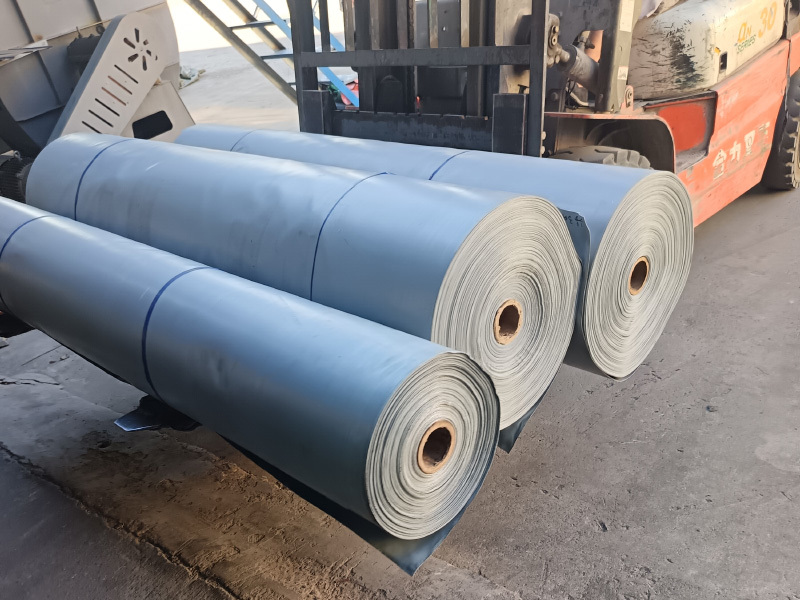
The Science Behind Grey Fire-Proof Glass Fabric: How It Works for Ultimate Safety
Table of Contents
1. Introduction to Fire-Proof Glass Fabric
2. Understanding Grey Fire-Proof Glass Fabric
3. The Chemistry of Fire Resistance
3.1 Key Components of Fire-Proof Glass Fabric
3.2 How the Chemical Structure Enhances Fire Resistance
4. Manufacturing Process of Grey Fire-Proof Glass Fabric
5. Applications of Grey Fire-Proof Glass Fabric
5.1 Industrial Uses
5.2 Architectural Applications
6. Benefits of Using Grey Fire-Proof Glass Fabric
7. Maintenance and Care for Longevity
8. Frequently Asked Questions
9. Conclusion
1. Introduction to Fire-Proof Glass Fabric
Fire-proof glass fabric has emerged as a critical innovation in improving safety across numerous industries. The ability to withstand extreme temperatures and flames makes this material a preferred choice in applications where fire hazards are prevalent. This article explores the science behind grey fire-proof glass fabric, highlighting its unique properties, manufacturing processes, applications, and benefits.
2. Understanding Grey Fire-Proof Glass Fabric
Grey fire-proof glass fabric is a specialized material that incorporates advanced technology to resist fire. Its unique coloration not only offers aesthetic appeal but also serves functional purposes, providing thermal insulation alongside fire resistance. This fabric is constructed using fine glass fibers that are woven together, creating a robust barrier against heat and flames.
3. The Chemistry of Fire Resistance
Understanding the chemistry involved in grey fire-proof glass fabric is essential to appreciate how it works. The fabric's resilience to flames is primarily due to its unique composition and structure, which we will explore in detail.
3.1 Key Components of Fire-Proof Glass Fabric
The primary components of grey fire-proof glass fabric include:
- **Sodium Silicate:** This compound serves as a critical ingredient, providing the glass fibers with their fire-resistant properties.
- **Alumina:** By introducing alumina into the mix, the fabric gains enhanced thermal stability and mechanical strength.
- **Boric Acid:** Known for its flame-retardant characteristics, boric acid is often added to improve the fabric's overall performance against fire.
3.2 How the Chemical Structure Enhances Fire Resistance
The unique chemical structure of glass fibers plays a pivotal role in their ability to resist heat. The cross-linking of molecular chains within the glass fibers creates a stable lattice that withstands high temperatures. When exposed to flames, the surface of the fabric forms a glassy layer, which acts as a protective shield against further heat penetration, ensuring the material remains intact for longer periods.
4. Manufacturing Process of Grey Fire-Proof Glass Fabric
The manufacturing process of grey fire-proof glass fabric involves several stages that ensure its high-quality performance. First, raw materials like silica sand, soda ash, and limestone are carefully blended. This mixture is then heated to extreme temperatures to form molten glass, which is then drawn into fine fibers. These fibers are woven together into fabric sheets, which are subsequently treated with fire-retardant coatings to enhance their performance.
5. Applications of Grey Fire-Proof Glass Fabric
Grey fire-proof glass fabric is utilized in various industries due to its exceptional fire-resistant properties. Its versatility makes it suitable for both industrial and architectural applications.
5.1 Industrial Uses
In industrial settings, grey fire-proof glass fabric is often used in protective clothing for workers in high-temperature environments. It is also employed in the construction of fire blankets, protective curtains, and other safety equipment designed to shield against flames.
5.2 Architectural Applications
In architecture, grey fire-proof glass fabric is used in fire-resistant building materials, insulation, and as part of sophisticated fire protection systems. It enhances the safety of structures while maintaining aesthetic appeal, making it a popular choice among architects and builders.
6. Benefits of Using Grey Fire-Proof Glass Fabric
The use of grey fire-proof glass fabric brings a myriad of benefits, including:
- **Enhanced Safety:** Its primary advantage lies in its ability to protect against fire hazards.
- **Durability:** The fabric is designed to last, withstanding harsh environmental conditions without compromising its integrity.
- **Aesthetic Appeal:** The grey color offers a modern look suitable for various applications.
- **Versatility:** Its applications range from industrial safety gear to architectural insulation.
7. Maintenance and Care for Longevity
To ensure the longevity of grey fire-proof glass fabric, proper maintenance is essential. Regular inspection for wear and tear, as well as cleaning with mild detergents, can help preserve its fire-resistant properties. It is crucial to follow manufacturer guidelines for care to maintain the fabric's effectiveness.
8. Frequently Asked Questions
Q1: What temperatures can grey fire-proof glass fabric withstand?
A1: Grey fire-proof glass fabric can typically withstand temperatures up to 1,000 degrees Celsius, depending on its specific composition and treatment.
Q2: Is grey fire-proof glass fabric environmentally friendly?
A2: Many manufacturers use sustainable practices in producing grey fire-proof glass fabric, making it a relatively eco-friendly choice compared to other materials.
Q3: Can grey fire-proof glass fabric be used indoors and outdoors?
A3: Yes, grey fire-proof glass fabric is versatile and can be used in both indoor and outdoor applications, provided it is maintained properly.
Q4: How does grey fire-proof glass fabric compare to traditional fire-resistant materials?
A4: Grey fire-proof glass fabric offers superior heat resistance, durability, and aesthetic appeal compared to many traditional fire-resistant materials.
Q5: What industries benefit the most from grey fire-proof glass fabric?
A5: Industries such as construction, manufacturing, and safety equipment benefit significantly from the use of grey fire-proof glass fabric.
9. Conclusion
Grey fire-proof glass fabric represents a remarkable advancement in material science, combining safety, durability, and aesthetic appeal. By understanding the chemistry and manufacturing processes behind this innovative fabric, we can appreciate its wide-ranging applications and benefits. As industries continue to prioritize safety, the demand for grey fire-proof glass fabric is likely to grow, solidifying its place as a crucial material in fire prevention strategies. Investing in this technology not only enhances safety measures but also contributes to the overall integrity and longevity of structures and protective gear in various environments.
Hot Tags:
Related Posts

Contact Us
E-mail:
tangchitarpaulin@gmail.com
WhatsApp:
Address:
500 meters west of the highway intersection in Xinxing Industrial Park, Yuanshi County, Hebei Province


Company Address:
500 meters west of the highway intersection in Xinxing Industrial Park, Yuanshi County, Hebei Province
Tel: 8619933094707
WhatsApp: 8619933094707
Email:info@tarpaulinfactory.cn
Email:sale@tarpaulinfactory.cn
Our Main Products
Business License